
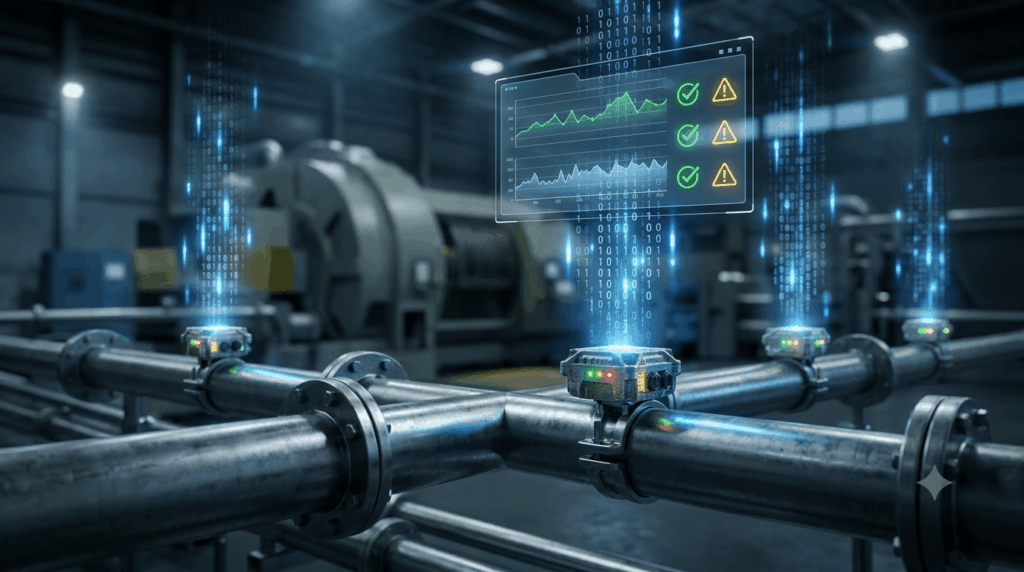
Digital Twins: Bridging the Gap Between Physical Engineering and AI
Artificial Intelligence (AI) is revolutionizing the healthcare industry by enhancing diagnostic accuracy and enabling personalized treatment plans.
Artificial Intelligence (AI) is revolutionizing the healthcare industry by enhancing diagnostic accuracy and enabling personalized treatment plans.

The first two tools are very similar. They use engineering relationships established through physics and solve those relationships through approximate or closed-form techniques. The third method is purely based on data.

1&2 use engineering relationships established through physics and solve those relationships through numerical or closed-form techniques. 3 is purely based on data.
Many years back I was looking for good algorithms for an online estimation of the parameters of a parallel robot mainly for self-calibration. I applied traditional nonlinear Optimization after modelling higher-degree nonlinearities as noises.

Today AI seems to be everywhere and is trying to automate almost everything we use or interact with daily. But somehow the large-scale industrial systems seem to adapt to the application of AI slower than expected.